If you are looking for a Wilmington neighborhood with real history, mature streets, and easy access to daily conveniences, Forest Hills and South Oleander deserve a closer look. This part of the city offers a different feel than newer subdivisions, with older residential patterns, established landscaping, and a close-in location that many buyers value. If you want to understand what gives this area its classic charm and why it continues to stand out, you are in the right place. Let’s dive in.
Why Forest Hills and South Oleander Feel Distinct
Forest Hills and the South Oleander area, including Glen Meade, reflect different chapters of Wilmington’s residential growth. Historic city records place Forest Hills in the 1920s streetcar-suburb era, while planning materials identify Glen Meade with a later postwar suburban pattern. Together, they create an area that feels established, central, and tied to Wilmington’s older neighborhood fabric.
That mix is a big part of the appeal. You are not looking at a single-style, master-planned community built all at once. Instead, you see layers of Wilmington’s development history in one close-in part of the city.
Forest Hills and Glen Meade Development History
Forest Hills’ streetcar-suburb roots
Wilmington’s historic preservation materials place Forest Hills among the city’s early-20th-century trolley suburbs. Those neighborhoods grew when streetcar lines connected residential areas to the city center. The same records describe Forest Hills as a curvilinear subdivision, which helps explain its softer street layout compared with a strict grid.
That planning pattern still shapes how the neighborhood feels today. The streets tend to read as organic and mature, which adds to the sense of place many buyers notice right away.
Glen Meade’s later suburban pattern
Glen Meade reflects a different era. City growth materials identify it as part of Wilmington’s postwar ranch and later suburban development pattern. That means the area blends older-city access with the housing styles and lot arrangements that became more common after World War II.
This is one reason the broader South Oleander and Glen Meade area can feel both historic and suburban at the same time. It is a fair and accurate way to describe the neighborhood context.
Classic Streetscape and Home Character
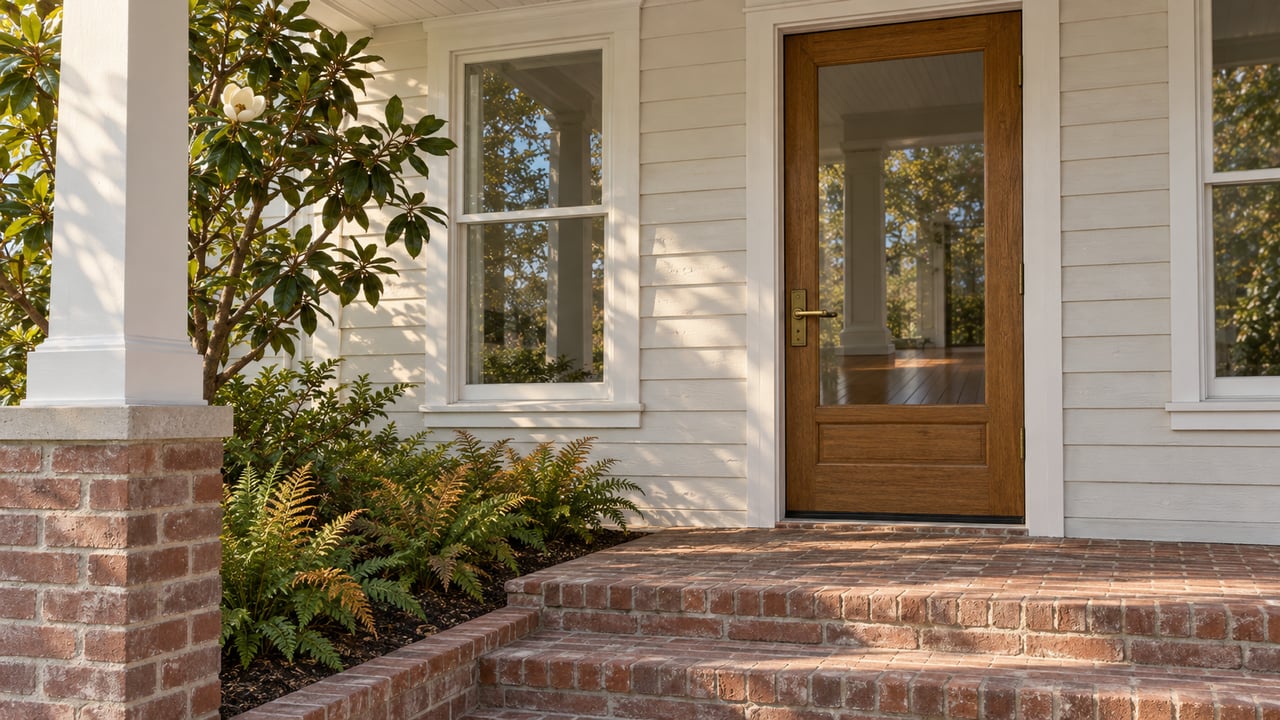
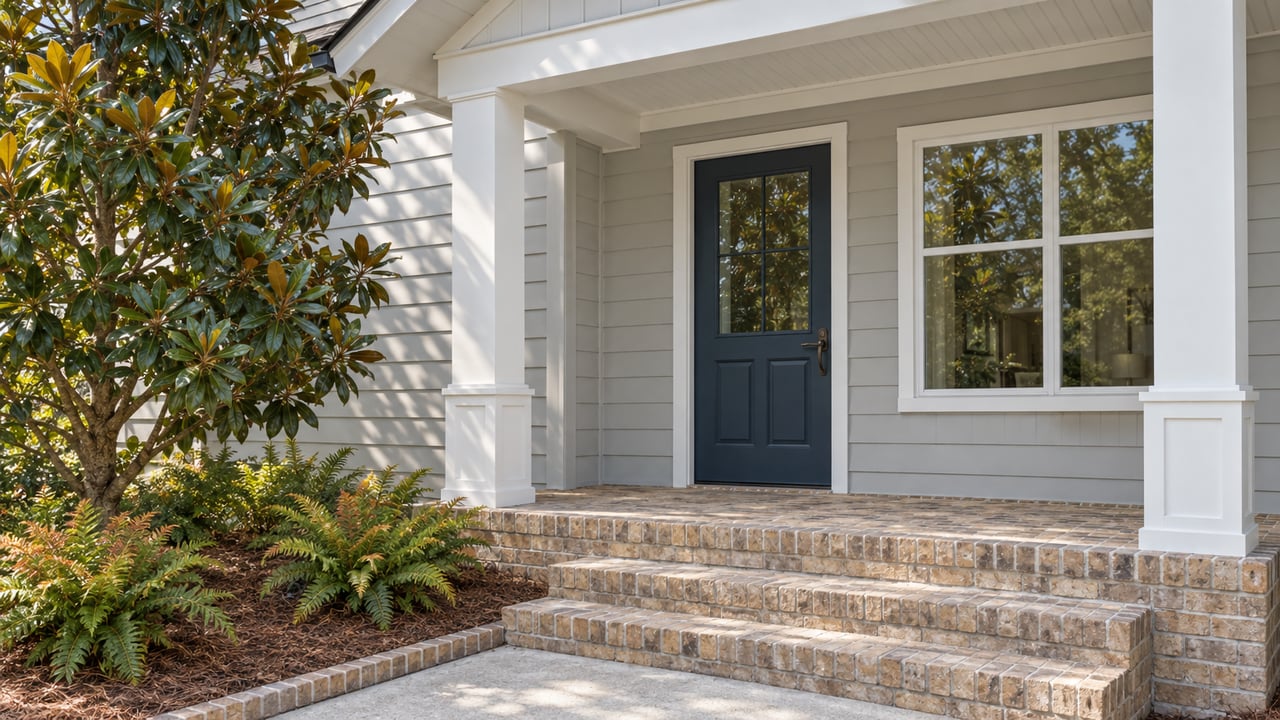
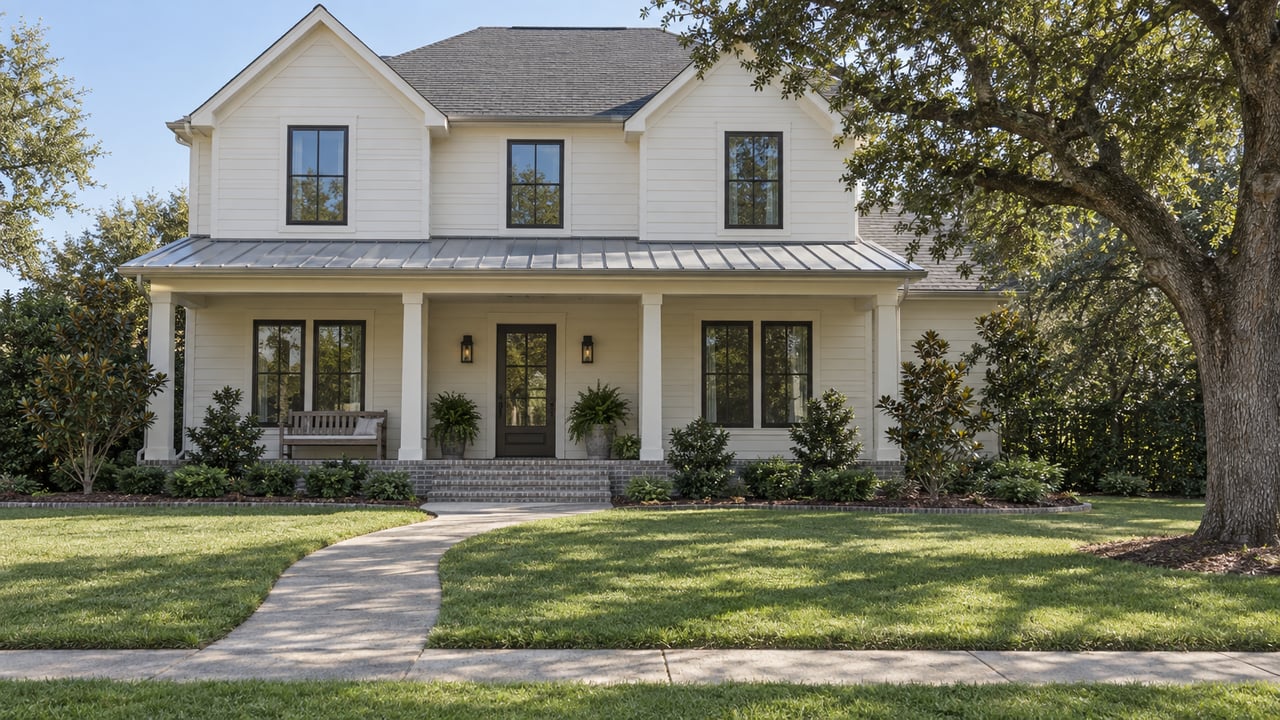
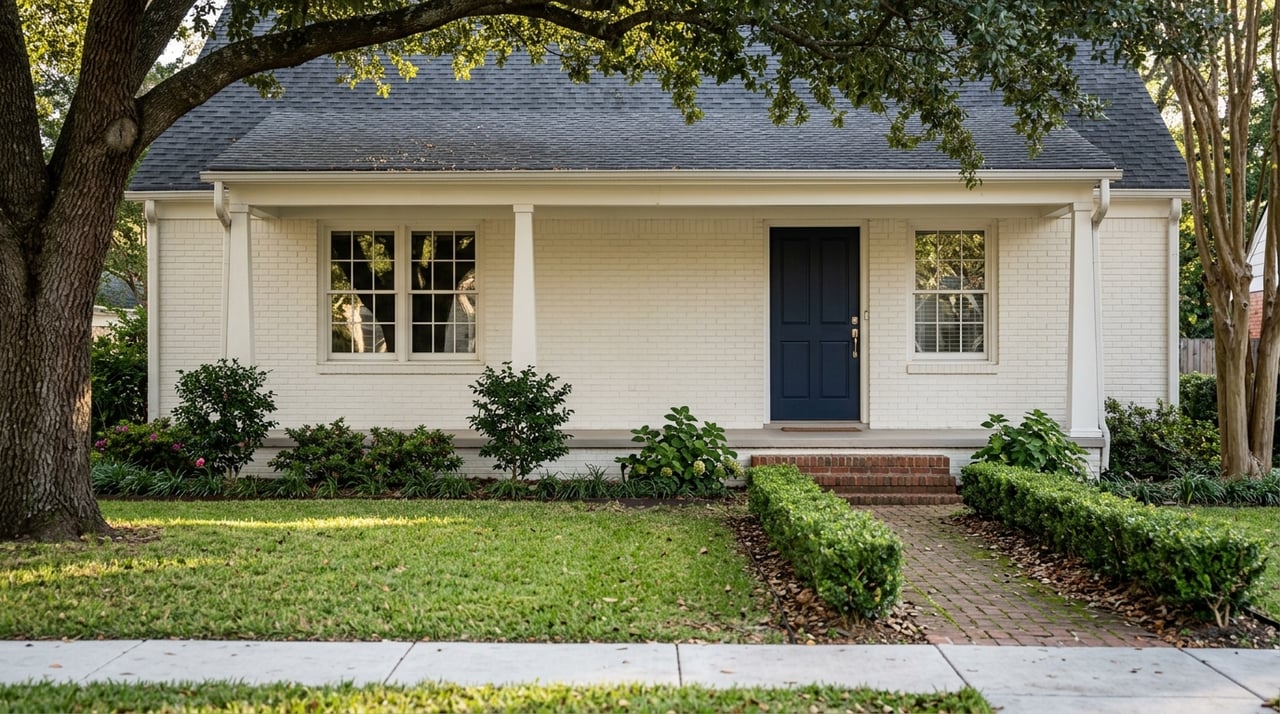
One of the strongest reasons buyers are drawn to this part of Wilmington is the streetscape. City historic-district design standards describe residential streets with tree-lined canopies, homes set closer to the street, long narrow lots, and a mix of cottages and larger homes. That local description supports the classic charm people often associate with Forest Hills and nearby established neighborhoods.
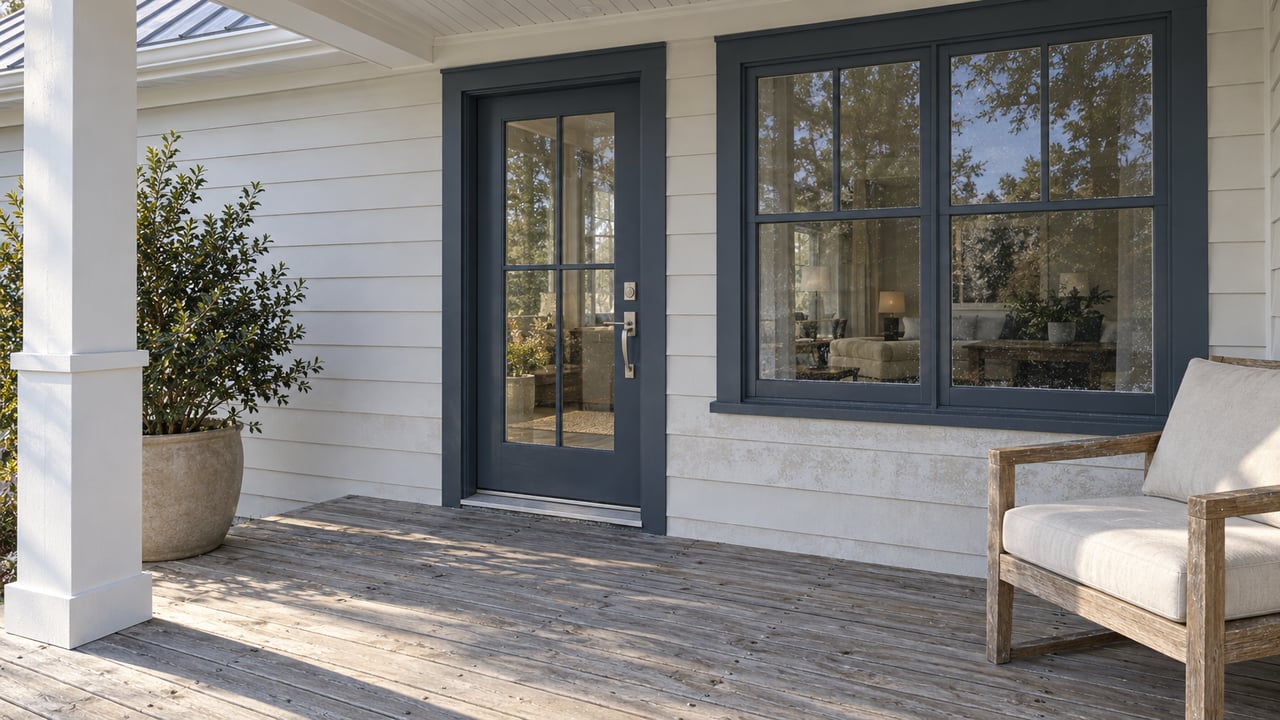
You can also expect architectural variety rather than a one-note look. Wilmington’s local standards reference Georgian, Federal, Neoclassical, Tudor, Mediterranean, and Prairie influences in early suburban neighborhoods. In practical terms, that means visual interest from one block to the next.
Why architectural variety matters
For buyers, variety can make a neighborhood feel more personal and memorable. Instead of rows of identical homes, you get a mix of design influences, landscaping, and lot layouts. In Glen Meade, that character often shifts toward the mid-century ranch-era pattern noted in city planning materials.
That combination gives the broader area a layered look. Forest Hills leans into revival-era and early suburban character, while Glen Meade adds later suburban forms that still feel established and central.
A Close-In Wilmington Location
Location is another major reason this area stands out. Planning materials identify South 17th Street at Glen Meade Road as an urban neighborhood node, suggesting a place where homes, services, and pedestrian connections come together. That supports the idea that this is not a far-out suburban pocket, but a central part of Wilmington’s daily flow.
South Oleander also benefits from its position along a major city corridor. Wilmington maintains a corridor plan for Oleander Drive, reinforcing its role as an important connective route. For you as a buyer or homeowner, that means the area is tied into the city rather than separated from it.
Walkability, Trails, and Daily Convenience
When people ask whether Forest Hills and South Oleander are walkable, the best answer is that the area benefits from a larger network of neighborhood streets, planned trail connections, and close access to city destinations. Wilmington’s current Land Development Code emphasizes sidewalks, bicycle lanes, shorter trips, infill development, and housing closer to retail and restaurants. That policy direction helps explain why older neighborhoods like these can feel practical as well as charming.
The Downtown Trail is especially important to watch. The city describes it as a key pedestrian project intended to connect several neighborhoods between Forest Hills and downtown, with later phases planned from Archie Blue Park to Forest Hills Elementary. That planned connection strengthens the area’s long-term appeal for people who value pedestrian access.
Access to downtown amenities
Downtown Wilmington is also part of the lifestyle story here. The city’s Riverwalk stretches 1.75 miles along the Cape Fear River and offers access to parks, dining, shopping, and museums. Riverfront Park adds event space, concerts, playground areas, and greenspace along the downtown waterfront.
If you enjoy being near established neighborhoods while keeping downtown outings within easy reach, that matters. The city also manages more than 2,600 on-street metered spaces and 3,346 off-street public parking spaces downtown, including decks and surface lots, which supports practical access for errands, dining, and events.
Parks and Outdoor Access Nearby
Established neighborhoods often feel more livable when they connect well to outdoor space, and Wilmington offers a strong citywide parks system. The city owns or maintains more than 40 parks and 32 miles of trails. That broad network adds value to close-in neighborhoods like Forest Hills and South Oleander.
Greenfield Park is one standout example in the city system. It offers 250 acres and a 4.8-mile paved walking and biking path, giving residents another option for outdoor time beyond neighborhood streets and downtown spaces.
Who Might Love This Area
Forest Hills and South Oleander can appeal to several types of buyers. If you want a home in a mature Wilmington setting with established trees, varied architecture, and a location woven into the city, this area may be worth serious consideration. It can also be a good fit if you prefer character and proximity over the feel of brand-new subdivision growth.
You may especially appreciate this area if you are:
- Relocating to Wilmington and want an established, close-in neighborhood feel
- Looking for architectural variety instead of a more uniform streetscape
- Interested in central access to downtown, parks, and major corridors
- Drawn to older residential fabric with a sense of local history
What “Classic Wilmington Charm” Really Means Here
In Forest Hills and South Oleander, classic charm is not just about age. It comes from the combination of tree canopy, curving and established streets, varied home styles, and a location shaped by Wilmington’s earlier residential growth. It also comes from being close to the places people actually use, from downtown amenities to parks and key road connections.
Just as important, this charm feels grounded rather than staged. Forest Hills reflects Wilmington’s 1920s streetcar-suburb era, while Glen Meade reflects later suburban growth. Together, they offer a version of Wilmington that feels rooted, practical, and distinctly local.
If you are exploring neighborhoods with lasting character and a strong sense of place, Forest Hills and South Oleander are easy areas to keep on your list. And if you want experienced local guidance as you compare established Wilmington neighborhoods, Thirty4 North Properties Group is here to help you navigate your next move with clarity and confidence.
FAQs
What makes Forest Hills in Wilmington feel historic?
- Wilmington’s historic records place Forest Hills in the city’s 1920s streetcar-suburb era and describe it as a curvilinear subdivision tied to early residential expansion.
How is Glen Meade different from Forest Hills in Wilmington?
- City planning materials identify Glen Meade with Wilmington’s postwar ranch and later suburban development pattern, so it reflects a later phase of growth than Forest Hills.
What types of homes define Forest Hills and South Oleander?
- Local design standards support a mix of cottages, larger homes, revival-era influences, and later mid-century housing, which creates architectural variety across the area.
Is South Oleander a convenient location in Wilmington?
- Yes. Oleander Drive is treated by the city as a major corridor, and planning materials also identify the South 17th Street and Glen Meade Road area as an urban neighborhood node.
Are Forest Hills and South Oleander connected to downtown Wilmington?
- Yes. The city’s Downtown Trail project is intended to connect neighborhoods between Forest Hills and downtown, and the area also benefits from practical downtown parking access, Riverwalk amenities, and nearby city destinations.