If you are considering an investment property in Carolina Beach, you are probably drawn to the same things that bring visitors back year after year: beach access, a lively boardwalk area, and a classic coastal setting close to Wilmington. It can be an exciting market, but it also comes with very specific operating realities that can shape your returns and your day-to-day ownership experience. This guide will help you think through the biggest factors before you buy, so you can make a more informed decision with confidence. Let’s dive in.
Why Carolina Beach Gets Investor Attention
Carolina Beach sits on Pleasure Island, about 12 miles south of Historic Downtown Wilmington, with access to the ocean, Carolina Beach State Park, the Cape Fear River, and the Intracoastal Waterway. That combination gives it broad appeal for buyers looking at second homes, vacation-use properties, or income-producing real estate. The Boardwalk District adds another layer of demand with a walkable area that connects shops, restaurants, entertainment, and direct beach access.
The town also shows signs of a visitor-driven economy. Carolina Beach had an estimated population of 6,870 as of July 1, 2025, an owner-occupied housing rate of 84.4 percent, a median owner-occupied home value of $566,200, and a median gross rent of $1,513. Accommodation and food services sales reached $92.358 million in 2022, which supports the idea that tourism plays a meaningful role in the local market.
Start With the Right Investment Lens
In Carolina Beach, buying an investment property is not only about choosing a home you like. You also need to think about how the property will function as a rental business, especially if you plan to use it for short-term stays. Guest turnover, furnishing needs, coastal wear and tear, and weather exposure can all affect your budget and your management plan.
North Carolina real estate guidance also treats issues like flood risk, restrictive covenants, HOA rules, and other use limits as material facts that should be investigated. In simple terms, that means you want clear answers about what you can do with the property before you make an offer, not after closing.
Compare Property Types Carefully
Different property types can work well in Carolina Beach, but each comes with trade-offs. A condo may offer lower exterior maintenance responsibility, but it may also come with HOA rules, parking limits, or rental restrictions that directly affect your income plan. A single-family home may give you more control, but it can also bring more maintenance, storm exposure, and operating responsibility.
The best fit often depends on how hands-on you want to be and what kind of guest experience you want to create. If convenience, parking, and easy beach access are high priorities for your guests, those factors may matter just as much as square footage or finishes.
Location Can Change the Guest Experience
Not every part of Carolina Beach offers the same experience for guests. The Boardwalk District is pedestrian-only and clustered around beach access, dining, shops, and entertainment, which can make nearby properties appealing for visitors who want walkability. For some buyers, that kind of convenience can strengthen a short-term rental strategy.
Less central or more inland areas may offer a different feel. They can reduce some of the activity and traffic that comes with a busy beach area, but they may also change how guests view convenience and access. When you evaluate a property, think beyond the address and ask how a visitor would realistically experience the location.
Parking Is a Bigger Deal Than Many Buyers Expect
Parking is one of the easiest factors to overlook and one of the most important in a beach market. Carolina Beach town-operated parking is open year-round, and paid parking is enforced from March 1 through October 31 between 9:00 a.m. and 8:00 p.m. Weekly visitor passes are available, while annual residential passes are limited to Carolina and Kure Beach residents and property or business owners.
That means off-street parking can add real value to an investment property. It also means guest instructions need to be clear if your property relies on public parking or nearby access points. A property that looks great on paper can become harder to manage if parking logistics create friction for every stay.
Flood Risk and Shoreline Conditions Matter Early
Coastal real estate always requires a close look at flood exposure. Thirty4 North encourages buyers to review official flood maps and understand that VE zones are coastal high-hazard areas, AE zones are storm-surge areas, and X zones are lower-risk areas. Elevation certificates and flood-zone status should be part of your early due diligence, not something you review after you are already under contract.
Flood insurance is also a core budget item. Flood insurance is required by your lender if the property is in a flood zone and standard homeowners insurance does not cover flood damage. Buyers should gather insurance quotes before you commit so you understand the full carrying cost.
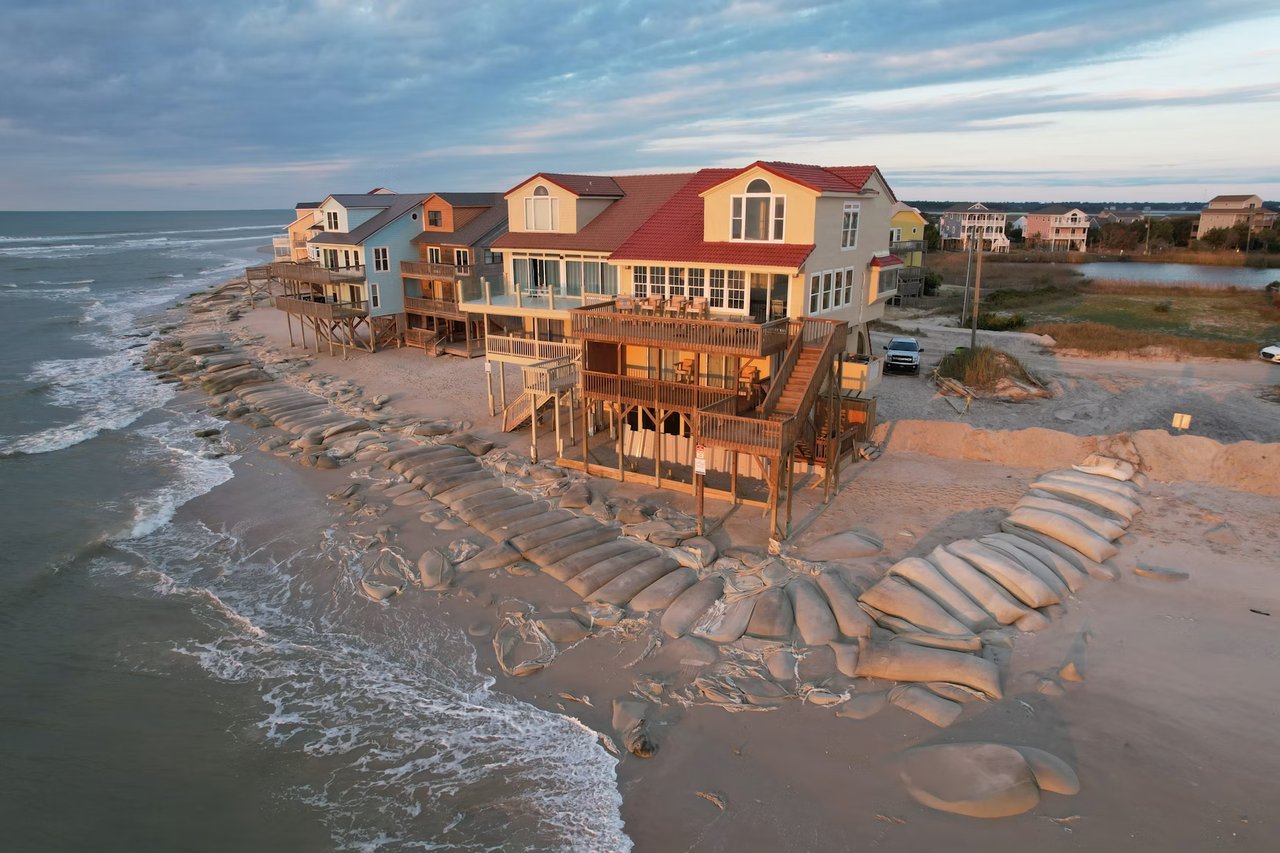
Shoreline dynamics deserve the same level of attention. If you are looking at oceanfront or north-end properties, erosion history, dune condition, and beach-access stability should be part of your decision.
Know the Seasonal Rhythm
Carolina Beach has a clear seasonal pattern, and your income expectations should reflect that. The town’s lifeguard season runs from Memorial Day weekend through Labor Day weekend, while paid parking runs from March 1 through October 31. Those details help signal when visitor activity is likely at its highest.
For you as an investor, that means summer performance may look very different from winter performance. If you are building a rental plan, it helps to think in terms of peak season, shoulder season, and off-season rather than assuming demand will stay flat all year.
Understand Local Guest Rules
Beach rules may seem minor, but they can affect reviews, guest satisfaction, and even town compliance issues. Carolina Beach prohibits alcohol and glass containers on the beach strand. It also bans driving, overnight camping, and open fires on the beach within corporate town limits, and unattended beach equipment left overnight can be removed by the town.
If you plan to rent the property, guest communication becomes part of the investment strategy. Clear pre-arrival instructions and house rules can help reduce misunderstandings and protect the guest experience.
Plan for Storms and Emergency Access
Any Carolina Beach investment plan should include a storm response plan. Vacation-rental tenants must comply with mandatory evacuation orders. If a rental cannot be provided after a storm, refunds or a comparable substitute may be required depending on the facts and insurance arrangements.
Emergency access is another practical issue. During natural disasters or other emergencies, re-entry to Carolina Beach may be restricted to property or business owners and permanent residents with a town re-entry decal. If you do not live nearby, this is one more reason to think carefully about local support and management before you buy.
Budget Beyond the Mortgage
A beach investment property usually costs more to carry than buyers first expect. Property taxes are billed through New Hanover County, with notices mailed in August, due September 1, and payable without penalty or interest until January 5 of the following year. Carolina Beach's town property-tax rate is currently $0.1417 per $100 of assessed value, and the New Hanover County rate, set annually, is in addition to the town rate.
You also need to account for revaluation cycles. New Hanover County revalues property every four years, with the current revaluation effective January 1, 2025, and the next scheduled for January 1, 2029. That can change your assessed value and tax bill over time, even if your ownership strategy stays the same.
Utilities should be part of your operating analysis as well. Carolina Beach provides water and sewer service within town limits, and refuse and recycling are included on the monthly utility bill. Recycling is included in the monthly residential refuse rate of $26.79, and water and sewer bills are posted monthly and due by the 15th.
There can also be additional local service charges for site visits, household debris removal, and yard-waste handling. In a coastal market, the real monthly cost of ownership is often much broader than your loan payment, insurance premium, and standard utility bill.
Occupancy Tax Is Ongoing, Not One-Time
If you are planning short-term rentals, room occupancy tax needs to be part of your operating system. New Hanover County states that the applicable room occupancy tax rate for Carolina Beach accommodations is 6 percent. Monthly sales must be reported to the county by the 20th day after the reporting month.
This is an ongoing compliance task, not just a closing detail. If you are comparing properties, think about whether you are prepared to handle that reporting process yourself or whether you want professional support in place.
Why Professional Management Can Be Worth It
In a market like Carolina Beach, professional management can do much more than handle bookings. A local manager may be the person coordinating guest communication, maintenance, rule enforcement, vendor scheduling, and storm response. That becomes especially important if you live out of town or plan to use the property as a second home.
Property manages must pay attention to material facts, including HOA rules, covenants, rental restrictions, occupancy limits, septic limits, and flooding issues. They also cannot allow uses that are not authorized by the owner, restrictive covenants, or zoning restrictions. In practical terms, a good local management plan can help you avoid preventable mistakes.
Professional help may also matter if your strategy changes over time. Carolina Beach states that it does not accept month-to-month leases or short-term renters for utility service in the tenant’s name, and the lease must be at least six months for utility service setup in the tenant’s name. If you are considering a long-term rental fallback, that is a useful operational detail to know early.
What to Verify Before You Buy
Before you move forward on a Carolina Beach investment property, it helps to work through a focused checklist. A polished listing photo set or strong summer projection should never replace property-specific due diligence.
Here are some of the key items to verify:
- Flood-zone status and elevation information
- Flood insurance availability, cost, and waiting periods
- HOA or condo rules on rentals, pets, parking, and occupancy
- Restrictive covenants and any use limitations
- Off-street parking and guest access logistics
- Property-tax estimates using current local rates
- Utility structure and any additional local service fees
- Shoreline, erosion, and access considerations for oceanfront or north-end locations
- Storm planning, evacuation impacts, and re-entry procedures
- Room occupancy tax reporting responsibilities
A smart investment decision in Carolina Beach usually comes down to how well the property fits your ownership style, your risk tolerance, and your operational plan.
Carolina Beach can offer a compelling mix of coastal lifestyle appeal and rental potential, but the best opportunities are rarely the ones you evaluate on emotion alone. When you understand the location, the rules, the costs, and the seasonal patterns, you can approach the purchase with much more clarity. If you are weighing options in Carolina Beach or anywhere in the Greater Wilmington coastal market, the team at Thirty4 North Properties Group is here to help you evaluate properties with a local, practical lens.
FAQs
What makes Carolina Beach appealing for investment property buyers?
- Carolina Beach offers beach access, a walkable Boardwalk District, proximity to Wilmington, and a tourism-oriented local economy that supports interest in vacation-use and rental property ownership.
What should you review before buying a rental property in Carolina Beach?
- You should review flood-zone status, insurance costs, HOA or condo restrictions, parking, occupancy tax obligations, utility costs, shoreline conditions, and any rental or use limitations tied to the property.
How does seasonality affect Carolina Beach investment properties?
- Carolina Beach has a strong seasonal rhythm, with lifeguard season running from Memorial Day weekend through Labor Day weekend and paid parking enforced from March 1 through October 31, which can make summer demand look very different from winter demand.
Why is parking important for Carolina Beach vacation rentals?
- Parking can directly affect guest convenience because paid parking is enforced for much of the year, and off-street parking or simple beach-access logistics can make a property easier to market and manage.
Do Carolina Beach buyers need to think about flood insurance early?
- Yes. The town states that flood insurance is required for properties in a flood zone, standard homeowners insurance does not cover flood damage, and NFIP coverage typically has a 30-day waiting period.
What local rules matter for guests staying at a Carolina Beach rental?
- Guests should know that Carolina Beach prohibits alcohol and glass containers on the beach strand and bans driving, overnight camping, and open fires within town limits on the beach.
How does room occupancy tax work for Carolina Beach rentals?
- New Hanover County states that Carolina Beach accommodations are subject to a 6 percent room occupancy tax, and monthly sales must be reported by the 20th day after the reporting month.
Why can professional management help with a Carolina Beach investment property?
- Professional management can help with guest communication, maintenance coordination, rule enforcement, and storm response, which can be especially valuable in a seasonal coastal market.