If you picture Wrightsville Beach as a place only for weekend getaways, you may be surprised by how livable it feels day to day. This barrier-island town has a steady local rhythm, practical routines, and a strong connection to the water. If you are thinking about living here full-time or buying a second home you will actually use often, this guide will help you understand what everyday coastal living in Wrightsville Beach really looks like. Let’s dive in.
What daily life feels like
Wrightsville Beach feels more like a compact coastal town than a detached resort. Wrightsville Beach is a village-like coastal community, located directly across the Intracoastal Waterway from Wilmington, about 12 miles from downtown Wilmington and roughly 10 miles from Wilmington International Airport, with access via Eastwood Road and the Heide-Trask Drawbridge. That close connection to Wilmington gives you access to city conveniences while still living in a distinctly beach-first setting.
Daily life here follows a clear seasonal rhythm. Currently, Wrightsville Beach has around 2,800 year-round residents; however that number continues to grow with the increase in work from home options and the growing Wilmington International Airport, giving residents easy access to larger cities with a quick direct flight to 26 different destinations. Summers at Wrightsville Beach are definitely busier seeing a peak of 20,000 to 40,000 seasonal residents and visitors. In simple terms, summer feels much busier, while the shoulder seasons and winter months tend to feel calmer and more local.
The town’s services reflect that pattern. Beach operations, safety staffing, and visitor-focused systems ramp up during peak season, while the off-season offers a more relaxed pace. If you are relocating, that seasonal swing is one of the most important things to understand before you buy.
Water shapes the routine
For many residents, the day starts outside. A walk on the sand, a run, a paddle, or a surf session can be part of a normal weekday, not just a vacation plan. The town maintains 44 public beach access points and multiple year-round restroom facilities, which makes getting onto the beach easier than many buyers expect.
Wrightsville Beach offers seven ADA-accessible ocean access points, and the town provides free sand wheelchairs through its parks and facilities system. Those details matter because they support beach use as an everyday amenity, not just a scenic backdrop.
Surfing and kiteboarding are woven into the local identity. Beach users should always check with lifeguards and follow local safety rules for areas where surfing is and is not allowed. If you are looking for more low key activities, local access points through out the island provide opportunities for kayaking, surfing, and sunrise stand-up paddleboarding along Banks Channel, Lollipop Bay, Lees Cut or Motts Chnanel.
From Memorial Day weekend through Labor Day weekend, Ocean Rescue staffs 14 lifeguard stands with 92 seasonal lifeguards. That summer staffing level supports the town’s peak-season beach life, but it also signals the difference between summer intensity and the quieter off-season. If you love a place with changing energy throughout the year, Wrightsville Beach delivers exactly that.
Walking and biking are part of life
One of the best examples of everyday livability is the John T. Nesbitt Loop, or "THE LOOP" as locals call it, a 2.45-mile walking and jogging trail that circles through the heart of town. For many locals, this is more than a recreational path. It is part of the daily routine for exercise, fresh air, social connection with area residents and quick movement around the island.
Biking is also a practical way to get around. Designated bike lanes were recently added to Wrightsville Beach, making it a more bike-friendly community. In addition, the River to Sea Bikeway, which begins at Johnnie Mercer’s Fishing Pier, runs an approximately 11 mile route to downtown Wilmington and the Cape Fear River. For buyers who want a lighter, more outdoor-centered lifestyle, that kind of mobility is a real quality-of-life advantage.
Homes have a classic coastal feel
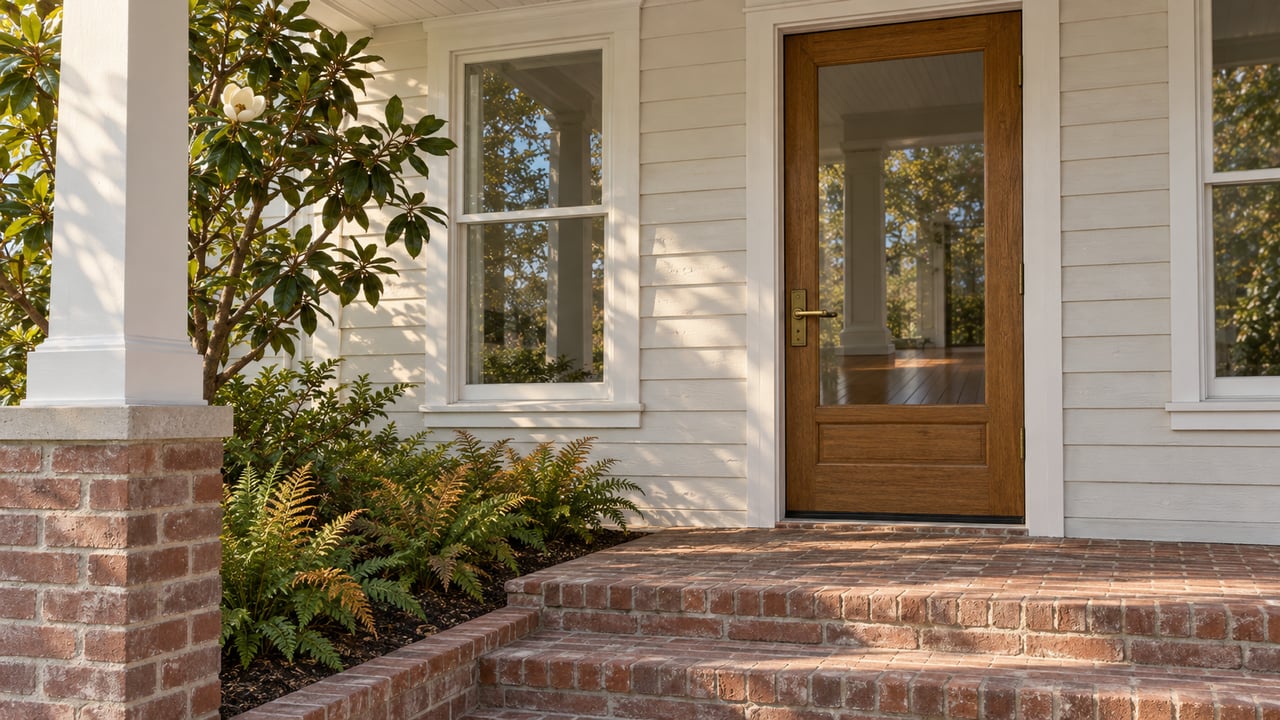
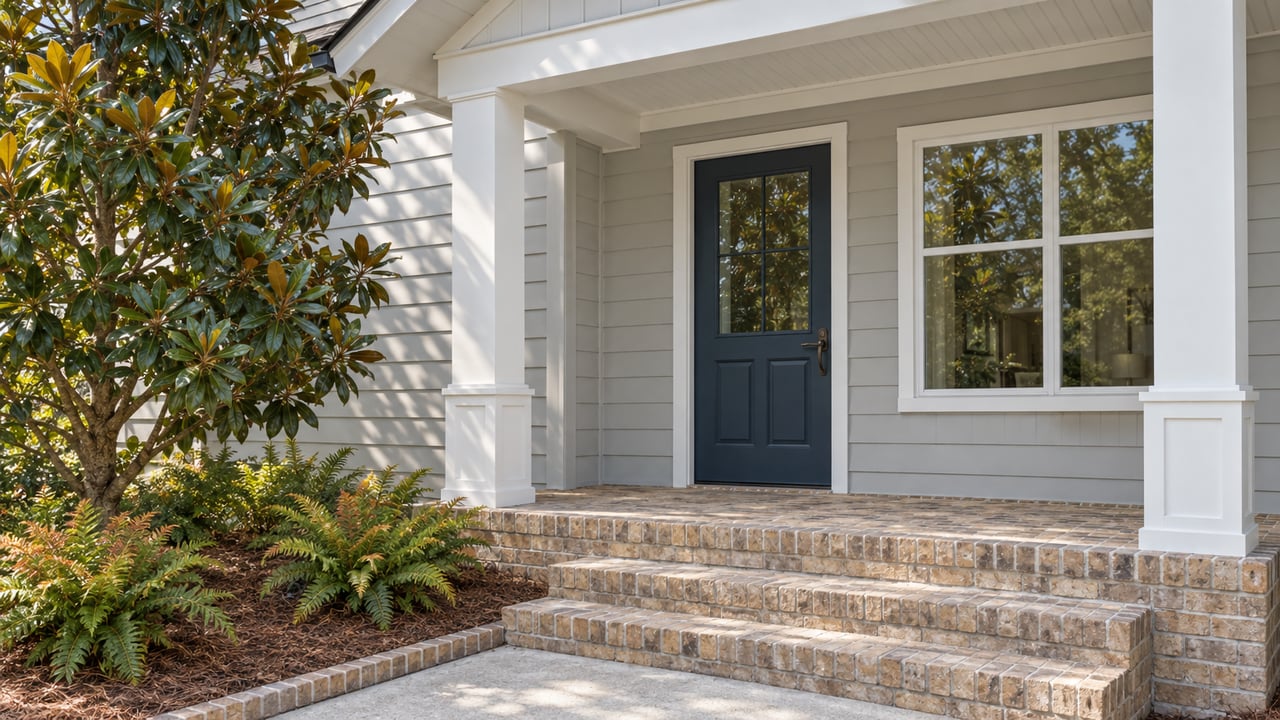
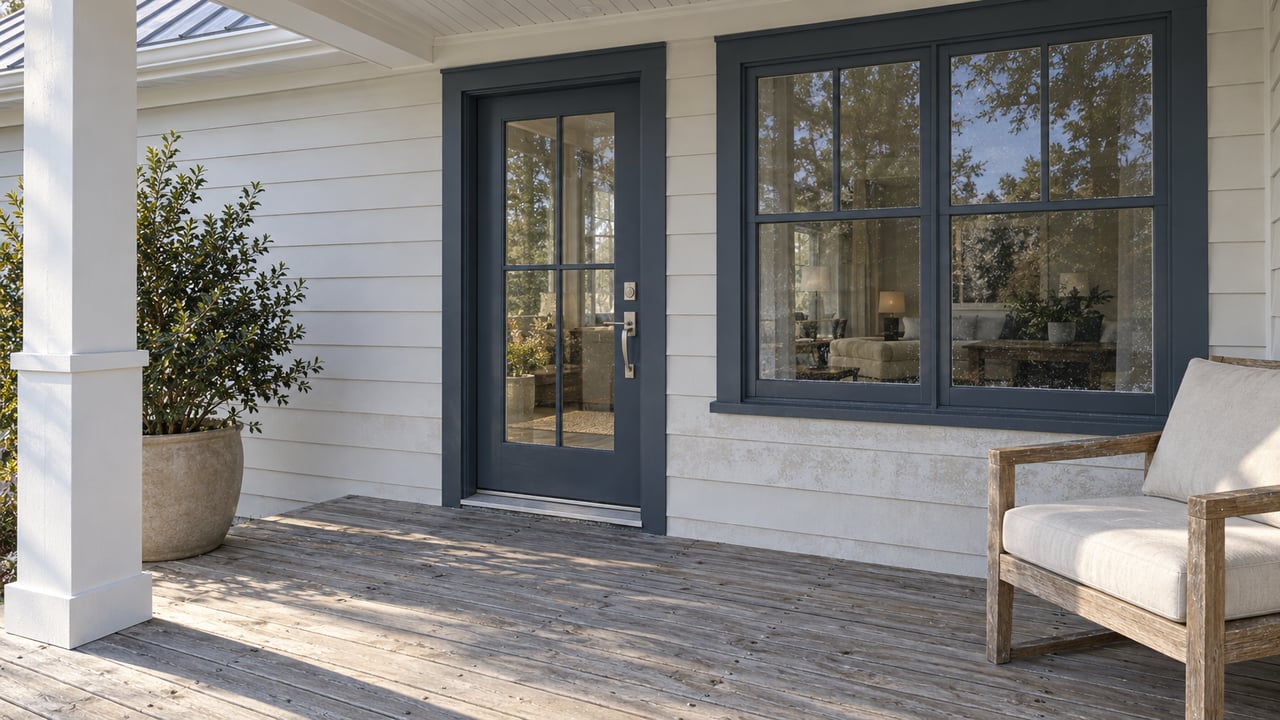
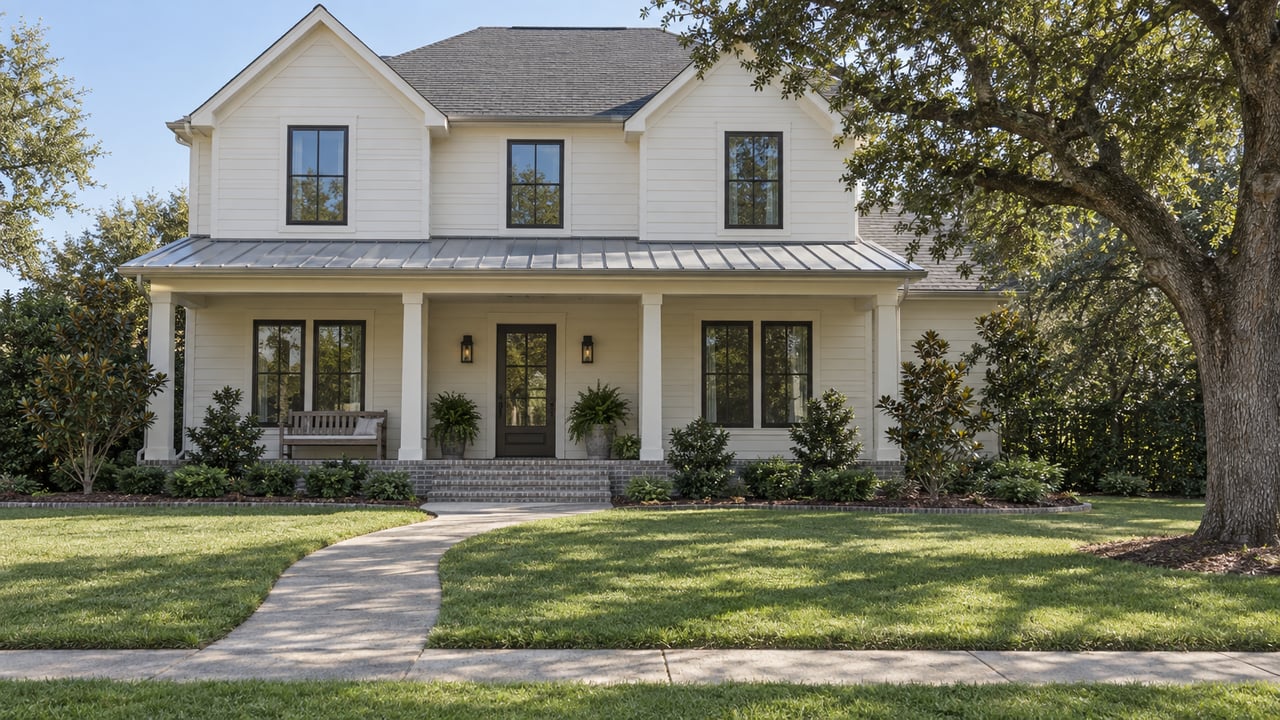
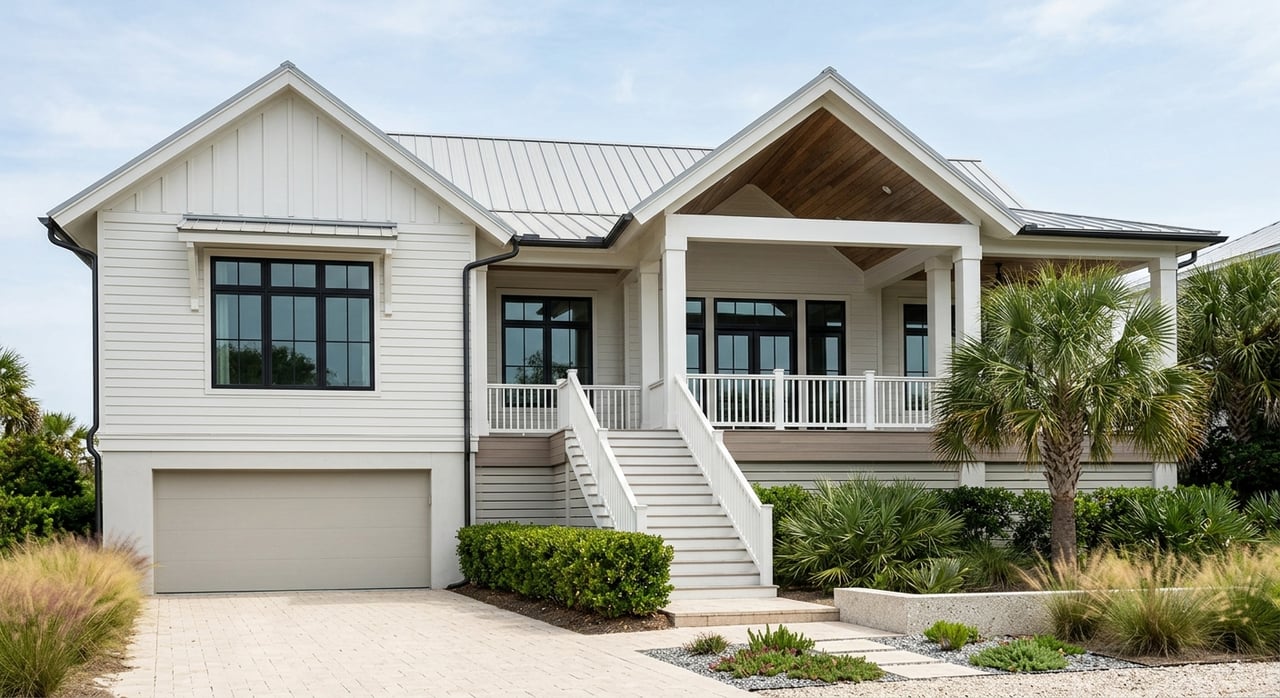
Wrightsville Beach has a housing character that feels coastal, established, and intentionally scaled. The central beach area is defined by traditional single-family homes and duplex cottages on smaller homesites. This area also provides easy access to restaurants such as Tower-7 and King Neptunes Restaurant and local shopping at Hallelu or Sweetwater Surf Shop.
Other sections of the island feel different. The north end includes larger single-family homes as well as more high-density multifamily buildings, while the Causeway and Marina area mixes residential uses with marine, retail, and service activity. That variation gives buyers several different ways to experience Wrightsville Beach living, depending on whether you want a quieter residential feel or proximity to the island’s commercial core.
Wrightsville Beach's long-term policies have helped preserve the local character. Its land-use plan discourages additional high-rise structures and new multifamily complexes in favor of reinforcing single-family, duplex, neighborhood-oriented, and natural-area character. That planning approach helps explain why the island feels coastal and compact rather than urban or overly touristy.
Historic homes also remain part of the town’s identity. Wrightsville Beach has historically designated properties that include cottages dating from the early 1900s through the 1940s. For some buyers, that visible history adds charm and a sense of continuity that newer beach markets may not offer in the same way.
Dining and marina culture matter
Living here means the water is part of the social scene, too. Residents and vistors alike can enjoy waterfront drinks at Bluewater Waterfront Grill, seafood at the oceanfront Oceanic restaurant, breweries such at Flying Machine, live music at The Palm Room, and events like the annual Taste of Wrightsville Beach. That gives the town an easy, social rhythm that works well for both full-time residents and second-home owners.
The marina presence is not just visual. Wrightsville Beach Marina is full-service marina that can accommodate yachts up to 200 feet, which speaks to the area’s active boating culture. If you are shopping for a home with boating in mind, that marine infrastructure is a meaningful part of the lifestyle equation.
At the same time, Wrightsville Beach still functions as a real town with everyday habits and routines. You can build a lifestyle here around morning movement, casual waterfront dining, and practical access to marine services, all within a relatively compact setting. That blend is a big part of what makes the island stand out.
Commuting takes some planning
If you work in Wilmington or regularly head off-island, commuting is straightforward but not always effortless. The main route connects Wrightsville Beach to Wilmington via the Heide-Trask Drawbridge, a draw bridge that opens for passing boats at anytime during offseason and on the hour during season. For some buyers, that is a small tradeoff for coastal living. For others, it is an important day-to-day detail to think through before choosing the island full-time.
Access to the airport is another practical plus. Wrightsville Beach is about 10 miles from Wilmington International Airport, which can be especially helpful if you travel often or plan to split time between homes. For relocation buyers and second-home owners alike, that convenience adds real value.
Parking is part of ownership
On an island town like Wrightsville Beach, parking is part of daily life, not an afterthought.
For residents, parking logistics can be more specific. Certain areas, like Harbor Island streets use resident permits and vehicle tax decals, which is worth understanding if convenience is high on your priority list. When you are evaluating a property, parking setup can be just as important as square footage or outdoor space.
This is one reason local guidance matters. A home that looks ideal online may function very differently in real life depending on access, parking, and the flow of seasonal visitors. The right fit often comes down to how you plan to use the property every week, not just how it feels on a showing day.
Stewardship is part of the culture
Wrightsville Beach is not just about enjoying the coast. It also has a visible stewardship mindset. Wrightsville Beach and area organizations regularly promote beach sweeps, stormwater education, and a no-discharge zone for vessel sewage, showing that environmental care is part of ordinary coastal life.
That matters because owning near the water comes with both privilege and responsibility. Many buyers are drawn to places where long-term care for the shoreline and waterways is clearly part of the local culture. In Wrightsville Beach, that commitment is built into town messaging and public programs.
What buyers should keep in mind
If you are considering Wrightsville Beach, it helps to think beyond the postcard version of island life. The appeal is real, but so are the practical details that shape how the town functions through summer, shoulder season, and winter. A smart home search here should balance lifestyle goals with logistics.
As you explore the market, keep these questions in mind:
- Do you want to be closer to the central beach area, the north end, or the Causeway and Marina area?
- How important are walkability, biking access, or beach access for your daily routine?
- Will you commute regularly into Wilmington or need access to the airport?
- How much do parking and storage matter for your household?
- Are you looking for a classic cottage feel, a larger single-family home, or a multifamily property type?
- Will you use the home year-round, seasonally, or as a second home?
When you answer those questions clearly, your home search becomes much more focused. In a market like Wrightsville Beach, lifestyle fit is often the difference between a home that looks good on paper and one that truly works for you.
If you are thinking about buying or selling in Wrightsville Beach, working with a team that understands both the lifestyle and the practical side of coastal real estate can make the process much easier. The local knowledge, relocation support, and coastal market experience at Thirty4 North Properties Group can help you find the right fit with more confidence.
FAQs
What is everyday life like in Wrightsville Beach?
- Everyday life in Wrightsville Beach tends to be active, coastal, and seasonal, with easy access to the beach, walking and biking routes, and a quieter off-season rhythm outside peak summer months.
How far is Wrightsville Beach from Wilmington?
- Wrightsville Beach is about 10 miles from downtown Wilmington; however, located directly across the Intracoastal Waterway via Heide-Trask Drawbridge to Wilmington proper.
What types of homes are common in Wrightsville Beach?
- Wrightsville Beach includes traditional single-family and duplex cottages in the central beach area, larger single-family homes on the north end, and a mix of residential and commercial-adjacent properties near the Causeway and Marina area.
Is Wrightsville Beach easy to commute from?
- Wrightsville Beach can work well for commuting to Wilmington, but bridge openings and seasonal traffic can affect travel times, so daily schedules may need some planning.
What should buyers know about parking in Wrightsville Beach?
- Buyers should know that on-island parking is a meaningful part of daily living, with more than 1,600 metered spaces, seasonal paid parking from March 1 through October 31, and some resident permit requirements in specific areas.
Is Wrightsville Beach a good fit for year-round living?
- Wrightsville Beach can be a strong fit for year-round living if you want a compact coastal setting, outdoor recreation, and proximity to Wilmington, while also understanding the island’s seasonal pace and logistics.