Why Invest in Wilmington NC Real Estate: A Strategic Investor Guide
Investing in Wilmington, NC real estate offers steady population growth, a diverse rental economy supported by UNCW students and coastal vacationers, and average annual appreciation rates above national trends. Selecting high-demand neighborhoods and optimizing for long-term or short-term rental yields maximizes cash flow across New Hanover and Brunswick counties.
Looking for high-yield investment properties, condos, or coastal homes in Wilmington, NC?
Browse available investment listings or connect with our specialized local brokerage team.
Investment Category | Target Tenant Demographics | Key Location Focus | Primary Financial Benefit |
|---|---|---|---|
Long-Term Single-Family Rentals | Families, Relocating Professionals | Suburban Wilmington & Leland | Consistent monthly cash flow & tenant retention |
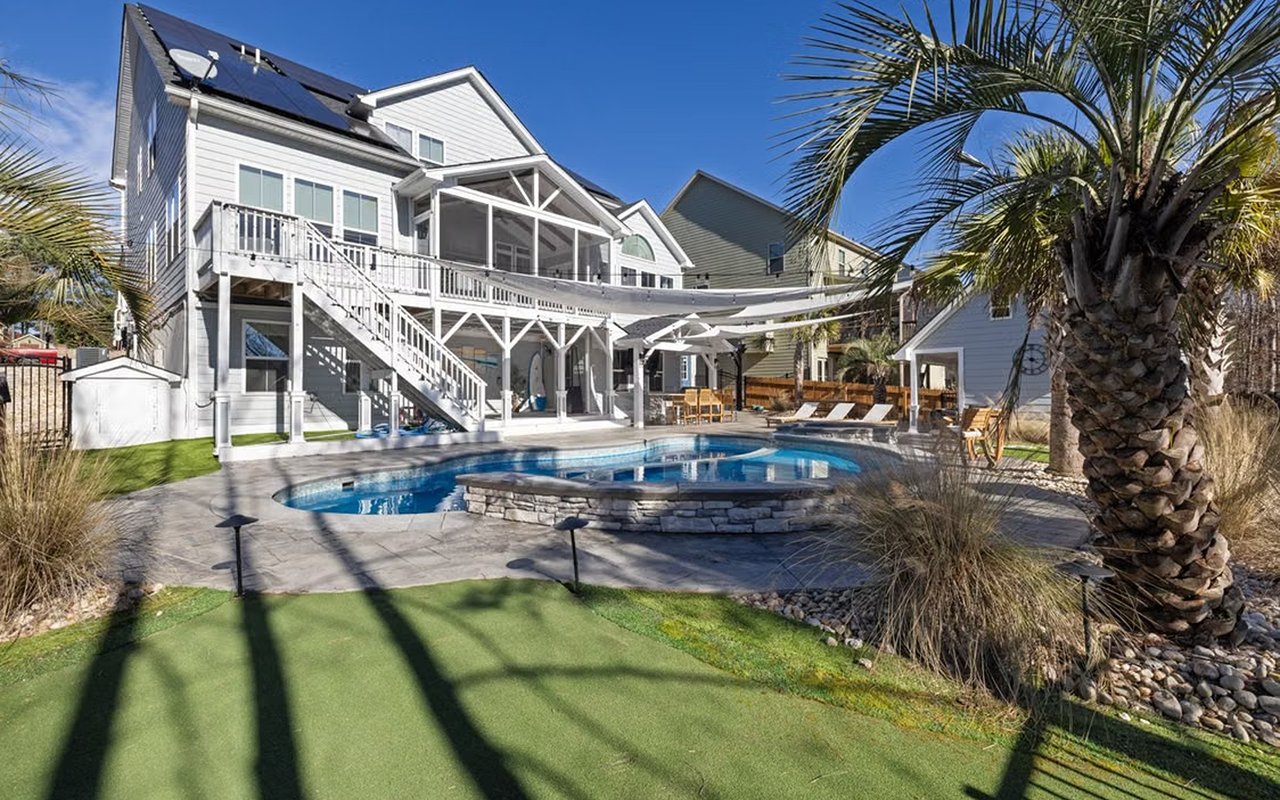
Short-Term Vacation Rentals | Beach Vacationers, Tourism Visitors | Wrightsville Beach & Carolina Beach | Peak summer gross rental revenue |
Multi-Family Residential | UNCW Students, Young Adults | Midtown Wilmington & College Corridor | Multiple revenue streams & lower vacancy risk |
Condominiums & Townhomes | Retirees, Seasonal Residents | Downtown Historic District & Landfall | Low-maintenance living & strong resale appeal |
Wilmington, North Carolina, has quickly become a sought-after destination for both lifestyle and investment opportunities. Its coastal charm, thriving economy, and steady population growth create a strong foundation for real estate success. For those considering investing in Wilmington, NC, it is important to understand the factors that influence property performance, rental income potential, and long-term appreciation. A strategic approach ensures that investors maximize returns while enjoying the benefits of one of the Southeast’s most dynamic real estate markets.
Core Drivers of Wilmington Real Estate Investment
The Coastal and Economic Appeal of Wilmington
Wilmington is more than just a beautiful coastal city — it is a community rich in history, culture, and modern convenience. The downtown area boasts historic architecture, a vibrant arts scene, and a popular riverfront district, while nearby beaches like Wrightsville Beach and Carolina Beach attract vacationers year-round. This balance of lifestyle appeal and economic growth makes Wilmington an attractive choice for investors seeking both stability and opportunity.
The city has seen consistent population growth fueled by retirees, young professionals, and students from the University of North Carolina Wilmington. As more people relocate for the area’s quality of life and employment opportunities, housing demand continues to strengthen, offering a favorable environment for real estate investment.
Strategic Neighborhood Selection
Location is always a defining factor in real estate, and Wilmington offers a wide variety of neighborhoods to suit different investment strategies. Properties closer to the coast, the Cape Fear River, or the historic district often command higher purchase prices but also provide greater long-term appreciation. Waterfront properties remain in high demand due to scenic views and limited coastal inventory.
Investors should also consider suburban communities like Leland, which offer family-friendly amenities, spacious floor plans, and proximity to top schools and shopping centers. These suburban areas provide consistent long-term rental opportunities compared to seasonal beach rentals.
Robust Rental Market Potential
One of Wilmington’s strongest investment advantages lies in its robust, multi-faceted rental market. With a combination of permanent residents, university students, and vacationers, the demand for rental housing is diverse and steady. Long-term rentals near employment hubs appeal to families and medical professionals, while short-term vacation rentals thrive in beach-adjacent corridors.
Before purchasing, investors should research average rental rates, occupancy trends, and municipal regulations governing short-term rentals. HOA restrictions or zoning overlays in certain neighborhoods can affect operations, so reviewing municipal codes ensures alignment with cash flow targets.
Property Types and Investment Strategies
The asset class chosen directly impacts both risk and yield profiles. Single-family detached homes offer long-term stability and attract reliable long-term tenants, whereas condominiums and townhomes appeal to retirees and seasonal visitors looking for low-maintenance living. Multi-family duplexes and quadplexes generate stronger monthly gross cash flow through diversified tenancy.
Property Condition and High-ROI Improvements
The physical condition of a property heavily dictates net profitability. Properties requiring cosmetic updates offer lower initial purchase prices and value-add equity potential. Strategic upgrades—such as modern kitchen countertops, updated flooring, and energy-efficient HVAC systems—yield higher monthly rental premiums and stronger eventual resale value.
Financing Strategy and Financial Planning
Appropriate loan structure directly determines net cash-on-cash return. Evaluating competitive mortgage terms, investor interest rates, and down payment requirements helps optimize monthly leverage. Investors must also budget for property taxes in New Hanover County, landlord hazard insurance, and potential HOA assessments.
Lifestyle and Resale Value Factors
Wilmington’s lifestyle appeal translates directly into exit cap rate stability and resale liquidity. Properties featuring water access, close proximity to coastal beaches, or walkable downtown access retain premium buyer demand across all market cycles.
Infrastructure Development and Long-Term Appreciation
Continued expansion across regional transportation corridors, health system infrastructure, and commercial centers drives sustained equity appreciation across the greater Wilmington metro area.
Related Wilmington NC Real Estate Guides
Real estate market metrics, demographic trends, and municipal guidelines sourced directly from localized Wilmington NC market data and regional planning resources.
Thirty4 North Properties Group | Coldwell Banker Sea Coast Advantage
Matt & Kristin Freeman, Founders | Over 50 Years Combined Real Estate Experience
Thirty4 North Properties Group provides specialized investment analysis, acquisition representation, and market guidance across Wilmington, Wrightsville Beach, Leland, and coastal North Carolina. Contact our team today for strategic real estate investor support.
Phone: (910) 444-1805 | Email: [email protected] | Contact Team
Frequently Asked Questions
Is Wilmington NC a good market for real estate investors?
Yes, Wilmington, NC offers a strong real estate investment environment supported by steady population inflows, expanding job centers, UNCW student housing needs, and year-round tourism demand along coastal beach communities.
What property types yield the highest returns in Wilmington NC?
Short-term coastal rentals generate high peak-season revenue near beaches, while single-family suburban homes and multi-family units near Midtown and UNCW provide stable year-round cash flow and lower turnover costs.
Are short-term vacation rentals permitted in Wilmington NC?
Short-term rentals are permitted in designated zones, subject to municipal registration, local tax compliance, and specific neighborhood HOA covenants. Always verify zoning restrictions prior to acquiring an investment property.