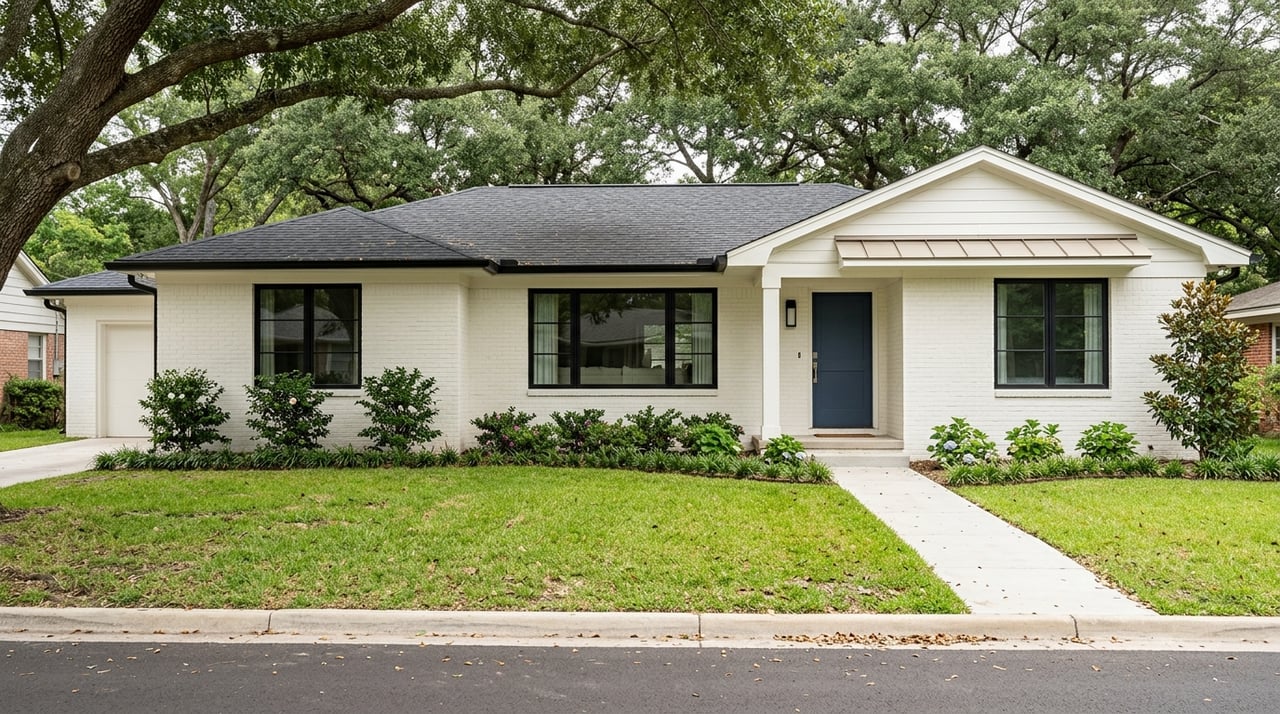
Thinking about a move to Forest Hills or South Oleander? These central Wilmington areas can look similar on a map, but the day-to-day feel, housing patterns, and renovation considerations can be very different once you get into the details. If you want a neighborhood with character, convenience, and a strong sense of place, it helps to know what to look for before you start touring homes. Let’s dive in.
Why Forest Hills and South Oleander Stand Out
Forest Hills and South Oleander both offer a practical central-Wilmington location with easy access to daily essentials, major employers, and the broader coastal lifestyle that draws many buyers to the area.
For South Oleander, the Oleander Drive corridor plays a big role in everyday convenience. The City of Wilmington describes it as a busy commercial corridor surrounded by large neighborhoods and lined with grocery stores, restaurants, retail, general services, employment agencies, and social services.
Forest Hills has a more established historic-neighborhood feel. It is part of Wilmington’s early- and mid-20th-century suburban pattern, and the city groups it with several trolley-car suburbs that reflect a range of traditional architectural influences.
What the Housing Stock Feels Like
Forest Hills homes often have more architectural character
If you are drawn to older homes with design detail and a longer neighborhood story, Forest Hills may stand out right away. City and county preservation resources point to this part of Wilmington as an area with a deep architectural record and housing stock shaped by early neighborhood development.
The broader historic fabric tied to Forest Hills includes styles and influences such as Georgian, Federal, Neoclassical, Tudor, Mediterranean, and Prairie. That does not mean every home fits one neat category, but it does mean you are more likely to see variety, character, and original neighborhood patterns.
South Oleander offers convenience in a central setting
South Oleander is better understood through its corridor location and surrounding residential areas. For many buyers, the appeal is less about one single architectural identity and more about being close to shopping, dining, services, and major road connections.
If your priority is a central location that keeps errands and commuting simple, South Oleander may be a strong fit. It can work especially well if you want quick access to the wider Wilmington area without feeling far removed from daily needs.
What Buyers Should Know About Historic Rules
Not every parcel follows the same rules
One of the biggest things to understand in Forest Hills is that preservation rules can be parcel-specific. The city’s historic-district map includes Forest Hills Drive within a local historic district layer, but that does not mean every nearby property is regulated the same way.
Before you make an offer, it is smart to verify the exact parcel. A home may be inside a local historic district, near one, or outside one entirely, and those differences can affect what exterior work is allowed.
Exterior changes may need city approval
If a property is inside a local historic district or historic overlay, some exterior alterations can require a Certificate of Appropriateness, often called a COA. The city states that these decisions are based on design guidelines, and minor COAs may sometimes be approved administratively.
The city also makes clear that these standards do not force one fixed architectural style. Interiors are generally not the focus of these historic design standards, which matters if you are planning interior updates rather than exterior changes.
National Register and local districts are not the same
This distinction matters because buyers often hear the word “historic” and assume the same rules apply everywhere. The city treats National Register districts differently from local historic districts.
According to the city, National Register properties are not subject to Historic Preservation Commission review unless they are also within local district boundaries. That is why parcel-level review is one of the most important early steps in your home search.
Renovation Questions to Ask Early
Lot layout matters as much as house size
In older Wilmington neighborhoods, what looks possible on paper may not match what fits the block. The city’s historic design standards emphasize street-oriented homes, block-consistent lot widths, matching setbacks and spacing, and preservation of mature trees and topography.
That means a future garage, addition, pool, fence, or driveway should be evaluated against the surrounding pattern, not just the dimensions listed in public records. In practical terms, your lot may feel large enough, but the block context can still shape what gets approved.
Zoning should be checked before big plans
If you are buying with the idea of expanding later, check the zoning map early. The city notes that development approval for larger projects depends on the property’s current zoning.
This is especially important if you are weighing a major addition, accessory structure, or teardown-and-rebuild scenario. It is much easier to understand those limits before you buy than after closing.
Trees and drainage can affect your budget
Older lots often come with mature landscaping and drainage considerations that newer buyers may not expect. In Wilmington, tree removal within a historic district requires both a Tree Removal Permit and a COA.
The city’s stormwater ordinance also applies to new development, redevelopment, and expansion or modification of existing development. If you are planning grading, hardscape, or a significant exterior project, those factors can influence both timeline and cost.
Everyday Lifestyle and Convenience
South Oleander supports easy daily routines
For many buyers, South Oleander’s biggest advantage is simple: convenience. The corridor is tied to groceries, restaurants, retail, and services, which can make your everyday schedule feel easier and more efficient.
The city also shows continued nearby investment, including Pine Grove and Oleander intersection improvements and the Greenville Loop Trail. Those projects add to transportation and pedestrian convenience in the area.
Forest Hills offers neighborhood-scale amenities
Forest Hills brings in some smaller-scale lifestyle features that can matter just as much as commute time. Thomas B. Lilly Park on Forest Hills Drive includes exercise equipment, open green space, and picnic tables.
The Wilmington Downtown Trail is also identified by the city as a top-priority connection linking several neighborhoods between Forest Hills and downtown. If you value a neighborhood feel with nearby outdoor space and stronger connections into the city, that can be a meaningful plus.
Beach access adds to the appeal
Living in central Wilmington also keeps you connected to the coast. Wilmington’s tourism bureau describes Wrightsville Beach as a walkable beach town with dining, shopping, and outdoor activities, about a 20-minute drive from Wilmington.
That does not mean every day feels like a beach vacation, but it does mean beach access can be a realistic part of your regular routine. For many buyers, that lifestyle flexibility is a major reason to choose this part of the market.
Commute and Employment Access
Forest Hills and South Oleander both benefit from a central location near several major employment anchors in the Wilmington area. New Hanover County’s top-employer list includes Novant Health, New Hanover County Schools, UNCW, New Hanover County Government, Cape Fear Community College, the City of Wilmington, Wilmington Health, Corning, Duke Energy, and PPD Development.
Key locations nearby include UNCW on South College Road, Novant Health New Hanover Regional Medical Center on South 17th Street, and Cape Fear Community College’s Wilmington campus downtown. For buyers relocating for work, this gives the area a practical commute profile for health care, education, downtown, and public-sector jobs.
A Smart Buyer Checklist
Before you write an offer in Forest Hills or nearby South Oleander, focus on the questions that matter most at the parcel level:
- Is the property inside a local historic district, or only near one?
- Will any planned exterior work require a Certificate of Appropriateness?
- Does the lot support your future addition or outdoor project within the existing block pattern?
- Could mature trees, drainage, or stormwater review change your renovation budget?
- Does current zoning align with your long-term plans for the property?
These questions can help you move beyond surface-level charm and evaluate whether a home truly fits your goals. That is especially important if you are relocating, buying an older home for the first time, or balancing lifestyle appeal with future improvements.
If you are planning a move to this part of Wilmington, having the right local guidance can make the process much easier. The team at Thirty4 North Properties Group helps buyers navigate neighborhood fit, property details, and the local market with clarity and confidence.
FAQs
What is the difference between Forest Hills and South Oleander in Wilmington?
- Forest Hills is known for its established historic-neighborhood character and older housing stock, while South Oleander is often valued for central convenience along the Oleander Drive corridor.
Do Forest Hills homes in Wilmington always fall under historic district rules?
- No. Some parcels may be within a local historic district layer, but buyers should verify the exact property because rules can vary by parcel.
What is a Certificate of Appropriateness for Wilmington homes?
- A Certificate of Appropriateness, or COA, is city approval that may be required for certain exterior changes to properties within a local historic district or historic overlay.
What should buyers check before renovating a home in Forest Hills?
- Buyers should check whether the property is in a local historic district, review zoning, and consider how lot pattern, mature trees, drainage, and stormwater rules may affect project plans and cost.
Is South Oleander convenient for commuting in Wilmington?
- Yes. Its central location offers access to major roads, daily services, and key employment centers such as UNCW, Novant Health New Hanover Regional Medical Center, and downtown Wilmington.
How close are Forest Hills and South Oleander to Wrightsville Beach?
- Wilmington’s tourism bureau says Wrightsville Beach is about a 20-minute drive from Wilmington, making beach access part of the broader lifestyle appeal for central Wilmington buyers.