By Thirty4 North Properties Group
Knowing how to buy beachfront property starts with understanding what makes a home near the ocean different. Insurance, coastal rules, and upkeep all play a larger role than they do with an inland purchase, and each one is easier to handle when you plan ahead. Our team helps buyers sort through these details so the dream of a home near the water feels clear and achievable. Here is what to know as you explore beachfront property in the Wilmington area.
Key Takeaways
- Define your goals first, since a primary home and a getaway have different needs.
- Request a flood insurance quote for the specific address early in the process.
- Coastal rules and setbacks can shape what you can repair or build.
- Careful due diligence helps you make an offer with confidence.
Define Your Goals for a Beachfront Home
Start by deciding how you plan to use the home. A full-time residence, a weekend getaway, and a part-time rental each call for different features. Share your priorities, such as direct beach access, outdoor space, parking, and room for guests, so your agent can focus the search.
Questions to answer first
- Primary home, getaway, or part-time rental
- Must-have features such as beach access and outdoor space
- Property type, such as a house, condo, or townhome
- Timeline and how often you plan to visit
Understand Flood Zones and Insurance Early
How to buy beachfront property wisely includes pricing insurance before you make an offer. FEMA flood zones show a property's level of flood risk, and zones starting with A or V are high-risk areas. Lenders generally require flood insurance in high-risk zones for federally regulated or backed loans, and some lenders require it elsewhere. Ask your insurer how flood coverage works with your homeowners policy, and request a quote for the specific address as early as possible.
Insurance steps
- Quote requested for the specific address early
- Flood zone confirmed with your agent and lender
- Elevation certificate requested from the seller
- Coverage, deductibles, and start dates compared
Learn About Coastal Rules and Setbacks
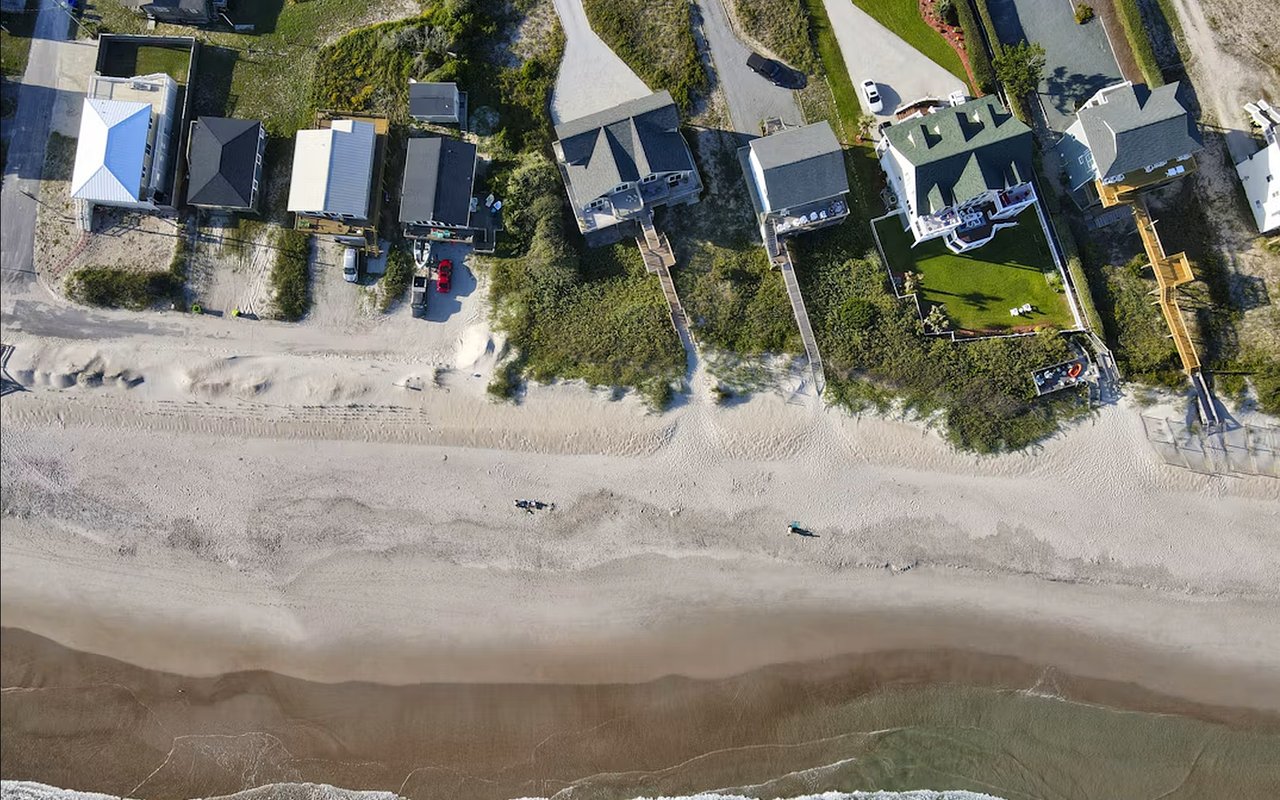
Oceanfront property in North Carolina is subject to coastal rules designed to protect the beach and structures. Repairs, rebuilding, and new construction near the ocean may require a Coastal Area Management Act permit, and setbacks measured from the line of stable natural vegetation can shape what is allowed. Your local building inspector or coastal permit officer can explain how the rules apply to a specific lot.
Items to check with local officials
- Current setback and erosion rate for the lot
- Permit requirements for repairs or rebuilding
- Septic system eligibility for repair or replacement
- Local permit officer or state coastal office contact
Plan for Maintenance and Exposure
Salt air, wind, and sun are part of life near the ocean, and they affect exteriors, windows, decks, and mechanical systems. A thorough inspection and a conversation about maintenance help you understand what to expect. Ask about the age of the roof, windows, and siding, and consider a specialized inspection if your agent recommends one.
Maintenance questions
- Age and condition of the roof, windows, and siding
- Wear on decks, railings, and exterior finishes
- Condition of heating, cooling, and electrical systems
- Maintenance history shared by the seller
Review Community Rules and Rental Policies
Many coastal homes belong to condominium or homeowners associations with their own rules. The documents may cover rentals, parking, exterior changes, and fees. If you plan to rent, confirm minimum stays and local regulations before you commit. An attorney can help you review the documents.
Documents to review
- Association rules on rentals and guests
- Fees and assessments listed in the documents
- Rules for exterior changes and parking
- Local rental regulations for short stays
Do Your Due Diligence and Make an Offer
In North Carolina, the due diligence period is your chance to investigate the property, including inspections, an appraisal, a survey, and loan approval. The length of the period and any due diligence fee are negotiated, so talk through your timeline with your agent. Verify repairs and complete a final walkthrough before closing. Ask your agent and an attorney how the terms apply to your own contract.
Due diligence tasks
- Home inspection and any specialized inspections
- Survey and title review
- Appraisal and loan approval timeline
- Final walkthrough before closing
FAQ
Do I need flood insurance for a beachfront property?
Lenders generally require it in high-risk flood zones for federally regulated or backed loans, and some lenders require it elsewhere. Ask your lender and insurer early so you know what to expect.
Can I rent out a beachfront home?
Rental rules vary by association and locality. Check the governing documents and local regulations before you buy.
What should I ask about before making an offer?
Ask about an insurance quote for the address, coastal rules for the lot, the home's maintenance history, and community rules. Your agent can help you organize the questions.
Learn How to Buy Beachfront Property With Thirty4 North Properties Group
Thirty4 North Properties Group helps buyers explore coastal homes with clear, practical guidance. We explain what to check in each property, help clients know which questions to ask their lender, insurer, and inspector, and support them from the first showing to closing.
If you are ready to explore homes near the water, speak with our team. We’d love to help you find your own slice of beachfront paradise right here in Wilmington.
If you are ready to explore homes near the water, speak with our team. We’d love to help you find your own slice of beachfront paradise right here in Wilmington.