By Thirty4 North Properties Group
Front Street's historic downtown homes sit inside a National Register district that changes how insurers evaluate roof age, wiring, and plumbing before writing a policy. A few miles south, newer construction in Riverlights carries a completely different risk profile in the same insurance market.
We field more insurance questions from Wilmington buyers than almost any other single topic during a search. Our goal here is a clear breakdown of what a standard policy actually covers before financing gets finalized.
Key Takeaways
- Core coverage: Splits into dwelling, personal property, liability, and loss of use.
- Flood exclusion: Leaves flood damage out of a standard policy in nearly every case.
- Older homes: Near downtown often need updated wiring or roofing before a policy gets approved.
- Neighborhood variation: Changes premiums more here than in most inland markets.
Core Coverage Categories
A standard homeowners policy breaks down into four main categories, each covering a different kind of loss. The dwelling coverage category handles the structure itself, while the other three cover what happens inside and around it.
The Categories a Policy Typically Covers
- Dwelling coverage: Pays to repair or rebuild the structure itself after a covered loss.
- Personal property coverage: Covers belongings inside the home, from furniture to electronics.
- Liability coverage: Protects against claims tied to injuries that happen on the property.
- Loss of use coverage: Covers temporary living costs while repairs are underway.
Coverage beyond these four categories usually comes down to optional riders added on top. A closer look at each category matters more than the total premium number alone.
Know What a Standard Policy Leaves Out in a Coastal Market
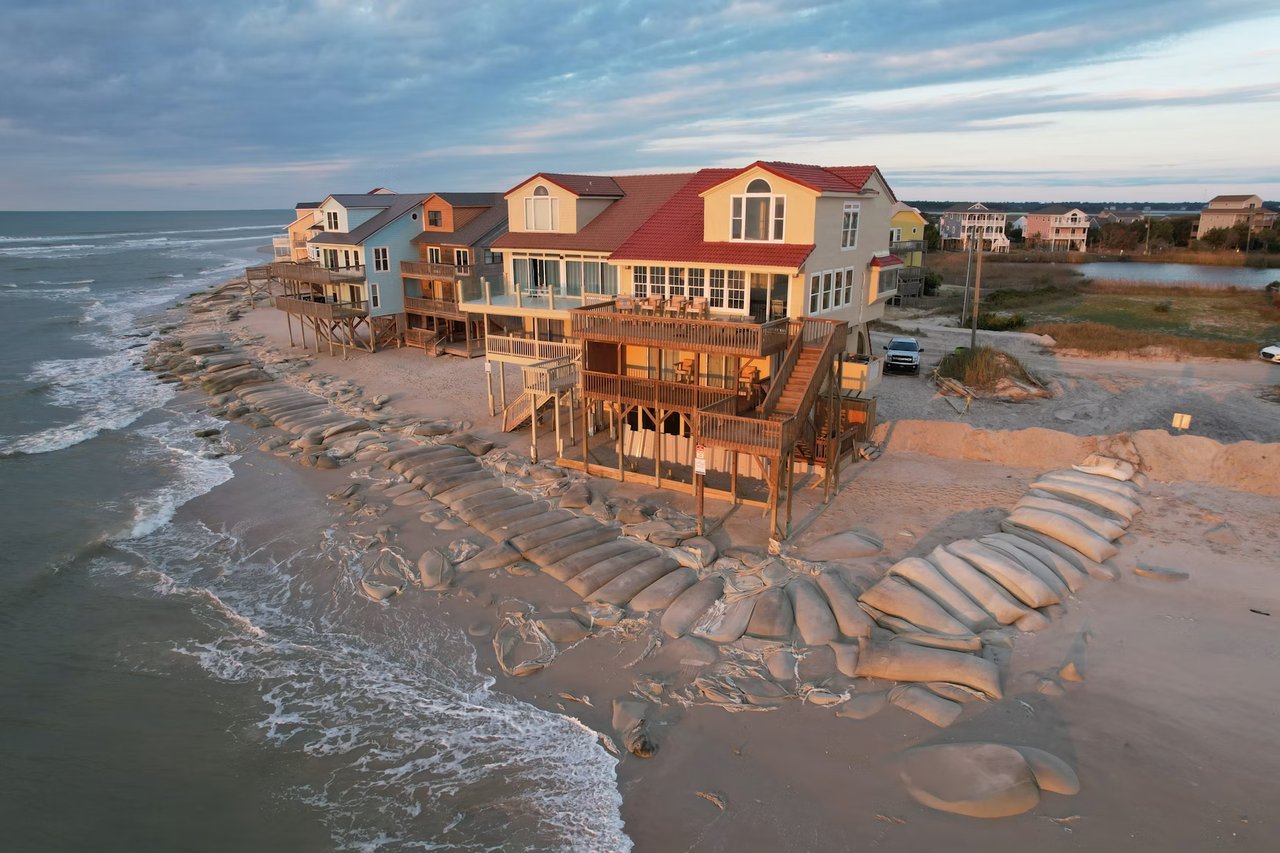
Flood damage falls outside a standard homeowners policy almost everywhere, and Wilmington's coastal location makes that exclusion especially relevant. A separate flood policy through the National Flood Insurance Program or a private carrier fills that specific gap.
Coverage Gaps Worth Closing
- Flood damage: Requires a separate policy entirely, regardless of a property's flood zone.
- Named storm deductibles: Often apply separately from a standard deductible in coastal NC policies.
- Sewer or drain backup: Usually needs its own rider rather than falling under standard coverage.
None of these gaps show up clearly until a claim gets filed without the right coverage in place. A fix for these gaps before closing on a property avoids a costly surprise later.
Factor in Wilmington's Older Housing Stock
Historic homes near Carolina Heights and Forest Hills often carry original wiring, plumbing, or roofing that insurers evaluate closely before writing a policy. An older roof or an outdated electrical panel can raise a quote significantly compared to a newer build.
Details Insurers Look at Closely
- Roof age and material: Affects both the quote and whether a carrier will write a policy at all, often ranking as the top factor insurers check first.
- Electrical panel type: Older panels sometimes require an upgrade before coverage gets approved.
- Plumbing material: Outdated pipe types can raise a quote or limit available coverage.
A pre-inspection ahead of an offer can flag these issues before they affect a mortgage timeline, since insurers use exactly these details to set a quote. Early attention to them keeps a historic purchase from stalling right before closing.
Compare Coverage Needs Across Neighborhoods
Riverlights and other newer developments south of downtown typically see lower premiums tied to modern construction standards. Inland areas like Mayfaire add another layer of savings tied to lower flood risk on top of newer building codes.
How Location Shapes a Quote
- Riverlights and new construction: Benefit from updated codes and newer systems throughout.
- Historic downtown streets: Carry higher premiums tied to age and flood zone status combined.
- Inland neighborhoods like Mayfaire: Combine lower flood risk with newer construction standards.
A quote gathered before touring specific neighborhoods sets realistic expectations early in a search. Location affects this number here more than in most comparable markets.
FAQs
What Does Homeowners Insurance Cover That a Buyer Might Not Expect?
Liability protection for injuries that happen on the property often surprises buyers who focus mainly on the structure itself. Loss of use coverage, which pays for temporary housing during repairs, gets overlooked just as often.
Is Flood Insurance Ever Included Automatically in Wilmington?
Flood coverage never comes bundled automatically into a standard homeowners policy, regardless of location. A separate flood policy remains necessary even for properties outside a mandatory flood zone.
Do Older Wilmington Homes Always Cost More to Insure?
Age alone does not guarantee a higher premium, though outdated wiring, plumbing, or roofing usually does raise a quote. An older home with recent upgrades can sometimes insure for close to what a comparable new build would cost.
Reach Out to Us
A quote gathered early, before an offer even goes in, tends to save the most stress later in a Wilmington purchase.
We are Thirty4 North Properties Group, and we connect buyers with local agents who already understand this market's flood zones and older housing stock. Send us a message or give us a call, and we will make sure that conversation happens early enough to matter.